

Not all Greek islands are created equal. But thanks to social media, several of them are visited that way.
There is a particular type of travel disappointment that only happens in beautiful places.
You arrive expecting serenity and find a man in a branded polo shirt handing you a laminated menu.
Greece has no shortage of genuinely stunning, crowd-free islands that most tourists completely ignore.
The first step is knowing which ones to cross off your list.
1. Santorini
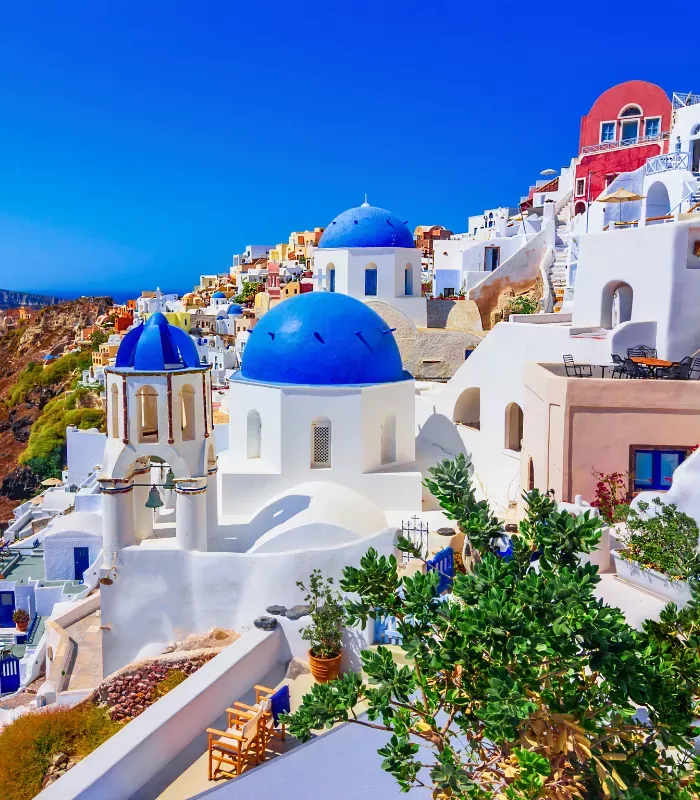
Santorini is one of the most famous islands in Greece.
But here’s the catch: it is also one of the most crowded.
In peak summer, over 12,000 tourists arrive daily on an island that has fewer than 20,000 residents.
The famous sunsets in Oia mean crowds shoulder-to-shoulder.
Hotel prices can reach $800 or more per night.
The volcanic beaches are unique, but they are covered with sunbeds and umbrellas from end to end.
Restaurants near the caldera charge two to three times the normal Greek price for average food.
The narrow streets of Fira get so packed in July and August that walking feels like a slow shuffle.
Cruise ships unload thousands of additional visitors every single morning.
Many travelers leave feeling rushed, overspent, and underwhelmed.
There are quieter corners of the island, but finding them takes effort most tourists do not expect to need.
Why It’s On This List: The hype far outpaces the experience. You spend more time waiting in lines and dodging selfie sticks than actually relaxing.
2. Mykonos
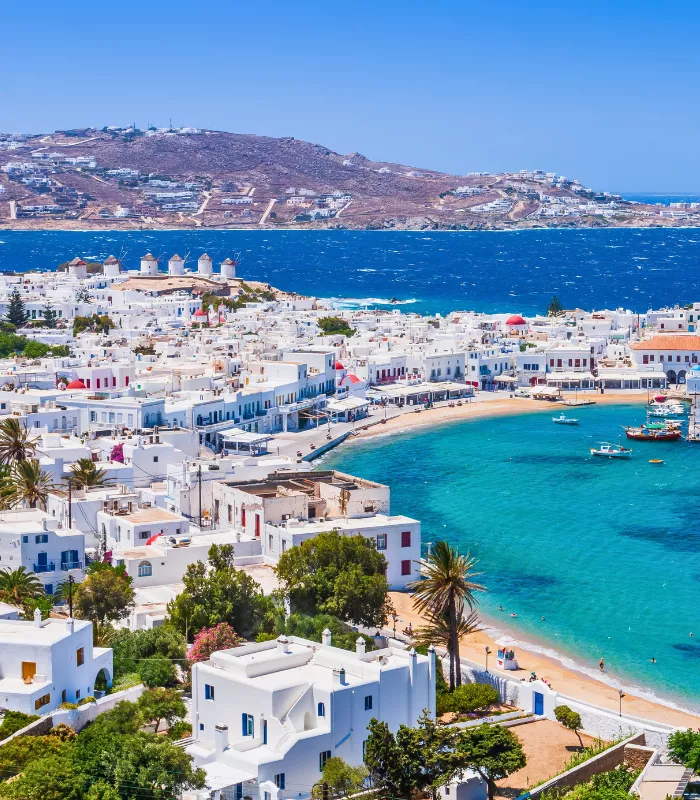
Mykonos built its reputation on nightlife and glamour.
That’s why it attracts a very specific crowd: loud, young, and party-focused.
If you are 50 or older and looking for peace and quiet, Mykonos is likely not the place for you.
Drinks cost a small fortune.
The beaches are packed.
Noise goes well past midnight.
A simple lunch for two at a beachside taverna can easily cost over 100 euros.
The iconic windmills are lovely, but they are surrounded by crowds and camera phones at all hours.
Many visitors feel that the island has lost its authentic Greek character entirely.
Luxury yachts fill the harbor, and designer boutiques line streets that were once simple fishing lanes.
Why It’s On This List: It is more of a party destination than a cultural or relaxing getaway. You’re better off choosing a quieter island for a meaningful trip.
3. Rhodes
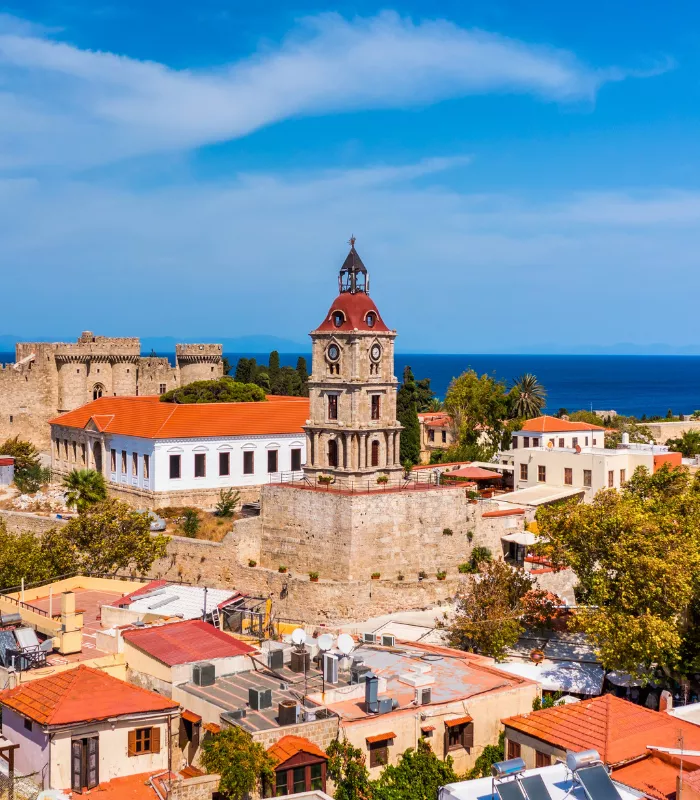
Rhodes has a beautiful medieval old town. It is a UNESCO World Heritage Site.
But the rest of the island is heavily commercialized.
Many beach towns on Rhodes feel more like resort strips than authentic Greek villages.
Mass tourism has taken over much of the coastline.
The charm is still there, but you have to dig for it.
Faliraki, one of the most popular resort areas, is known more for its bars than its beauty.
Traffic congestion around the main tourist zones can make getting around frustrating.
Souvenir shops selling identical trinkets line street after street in the busiest areas.
Prices for accommodation and dining have climbed steeply over the past decade.
The southern part of the island is far quieter and more rewarding, but most tourists never make it there.
Why It’s On This List: Millions of package tourists visit each year, which means crowded beaches, high prices, and a watered-down local feel.
4. Corfu
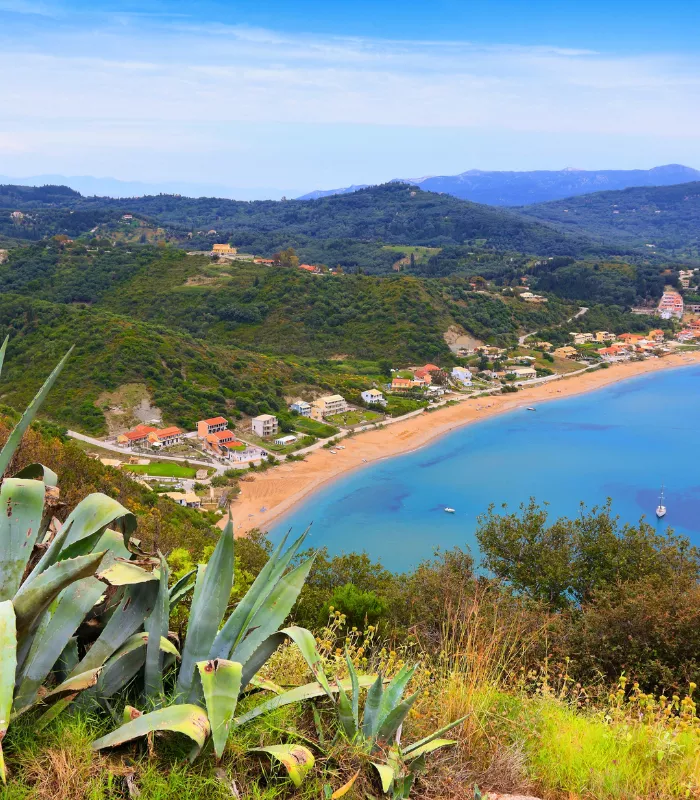
Corfu is green, lush, and historically rich. It sounds like a dream.
The reality is that the northern and eastern coasts are flooded with tourists every summer.
Some areas feel more like an extension of a British seaside town than Greece.
The old town is lovely, but getting there means navigating heavy traffic.
Prices have risen sharply in recent years.
Resorts and hotel complexes dominate long stretches of the coastline.
The main road running along the east coast is clogged with rental cars and tour buses all season long.
Popular beaches like Sidari and Ipsos are lined with sunbeds, beach bars, and loud music.
Many local tavernas in tourist areas have replaced traditional menus with generic international food.
The island’s genuine beauty is tucked away in its villages and olive groves, far from the resort zones.
Why It’s On This List: The island’s most popular areas have lost much of their Greek character due to decades of mass tourism.
5. Zakynthos (Zante)
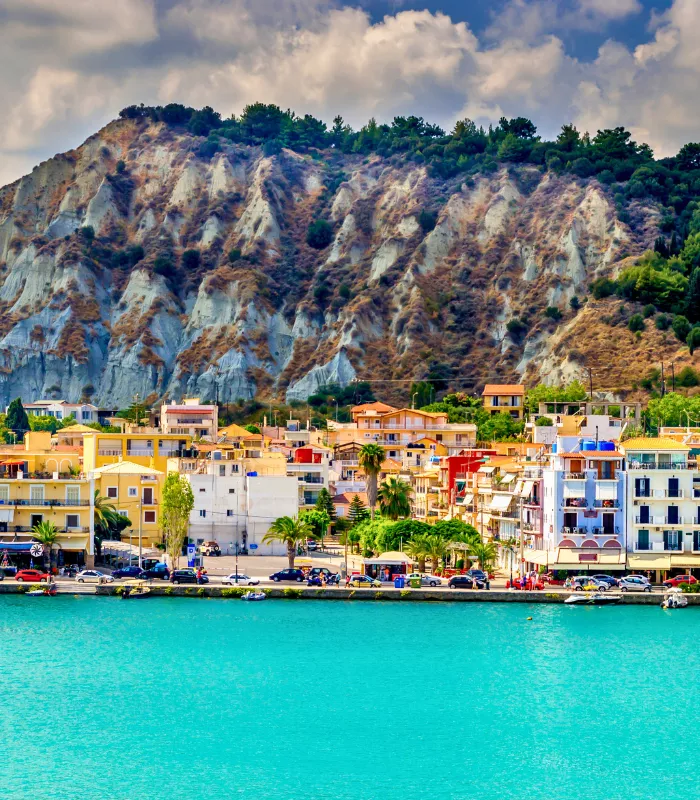
Zakynthos is home to the famous Navagio Beach, also called Shipwreck Beach.
The photo looks stunning. The visit itself can be disappointing.
To see the beach, you take a crowded boat with dozens of other tourists.
You get about 20 minutes there.
The rest of the island, especially Laganas, is known for noisy nightlife and rowdy crowds.
Laganas beach is also a nesting ground for loggerhead sea turtles, which suffer due to the heavy foot traffic.
The main town, Zakynthos Town, is pleasant but heavily geared toward mass tourism.
Boat trips to the Blue Caves are beautiful but feel rushed and impersonal when done in large groups.
Rental scooter accidents are a common problem due to the volume of inexperienced tourists on narrow roads.
The island has real natural beauty, but the tourism model does not do it justice.
Why It’s On This List: The island’s most iconic spot is more of a photo opportunity than a real experience, and the party scene dominates much of the coastline.
6. Ios
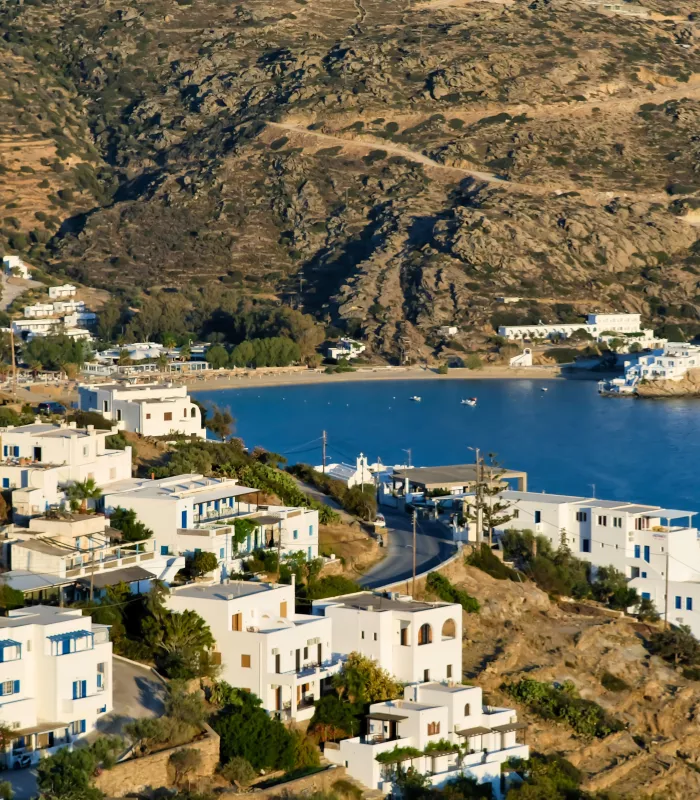
Ios has beautiful beaches and a whitewashed hilltop village called Chora.
I made a classic mistake of visiting in August, expecting a quiet Cycladic escape.
Ios is one of Greece’s top party islands.
It draws a very young crowd.
The village turns into an open-air bar scene after sunset.
For older travelers, the noise and energy can feel overwhelming.
Mylopotas Beach is gorgeous, but it is packed with party-goers and pumping music from morning onward.
Many of the island’s restaurants and shops are built entirely around the nightlife crowd.
Finding a quiet dinner or a peaceful morning walk in peak season is genuinely difficult.
The island has archaeological sites and hiking trails that almost no one visits because the party reputation overshadows everything.
Why It’s On This List: Ios markets itself as a relaxed island, but its reputation as a party hub makes it a poor fit for travelers seeking rest and culture.
7. Skiathos
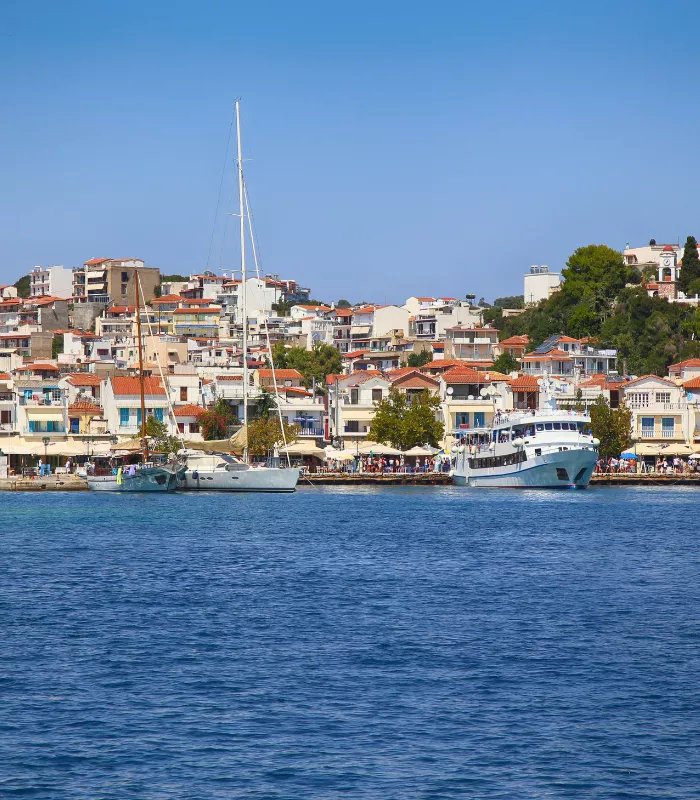
Skiathos is small, pretty, and easy to reach from Athens.
That convenience comes at a cost.
The island has only about 60 square kilometers of land, but it welcomes over 200,000 tourists each summer.
The single main town gets extremely busy.
Beaches like Koukounaries are beautiful but packed wall to wall in July and August.
The airport runway sits right next to the beach, so low-flying planes pass overhead every few minutes during the day.
Accommodation prices are high for what you get, especially compared to larger islands with more to offer.
The main strip in Skiathos Town is lined with bars and souvenir shops that feel indistinct from any other Greek tourist town.
Water taxis and boat trips are fun but come with long waits and premium pricing in high season.
The island is genuinely charming in May or October, but midsummer turns it into something far less enjoyable.
Why It’s On This List: Its small size cannot handle the volume of visitors it receives, making relaxation very hard to find during peak season.
8. Paros
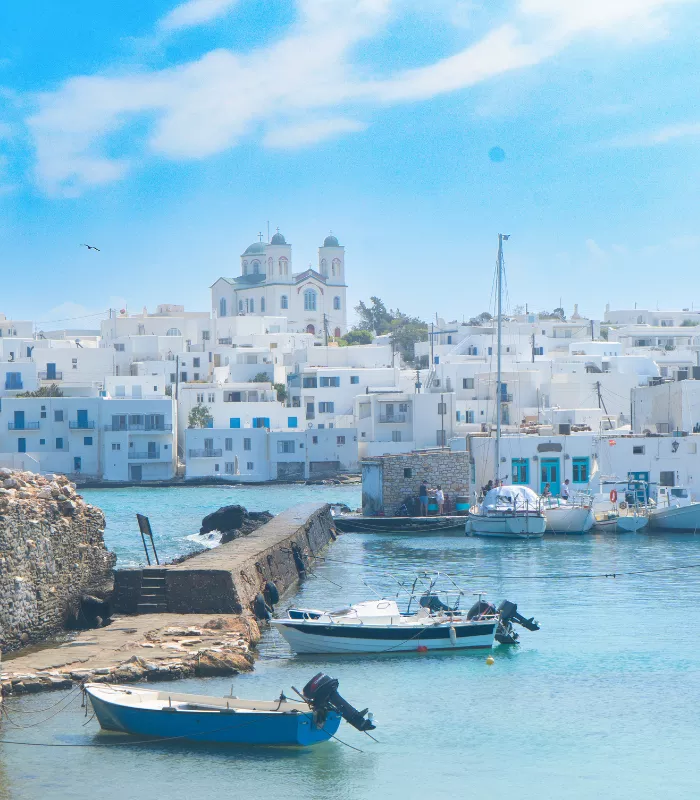
Paros is often recommended as a calmer alternative to Mykonos. And it used to be.
But Paros has grown into a very popular destination in its own right.
Naoussa, the island’s prettiest village, gets crowded fast.
Prices have climbed quickly in recent years.
The windsurfing at Golden Beach is excellent, but the overall vibe is busier than most visitors expect.
The port town of Parikia is charming but overwhelmed with ferry traffic and backpackers in summer.
Boutique hotels and trendy restaurants have replaced many of the simple family-run spots that gave the island its character.
Parking is a genuine problem in most towns during July and August.
The island’s marble quarries and Byzantine trail are fascinating, but few tourists bother with them amid the beach crowds.
What was once a well-kept secret is now firmly on every major travel influencer’s itinerary.
Why It’s On This List: Paros is still lovely, but the “hidden gem” reputation no longer matches reality. It is now very much on the tourist trail.
9. Hydra
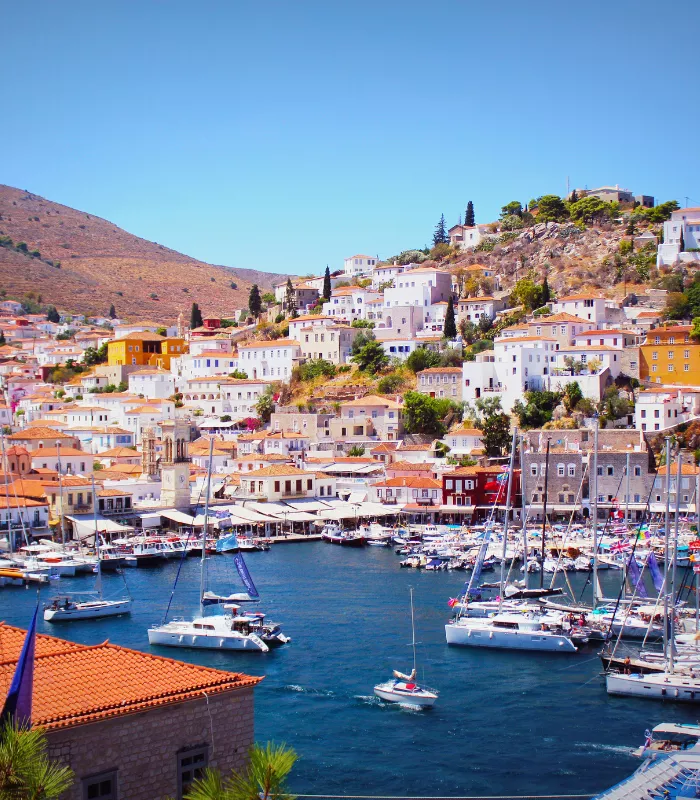
Hydra is famous for having no cars or motorcycles. That sounds peaceful.
But here’s the deal: Hydra is only 90 minutes from Athens by ferry.
That makes it one of the most visited day-trip destinations in all of Greece.
By midday, the port is overrun with visitors.
By evening, most of them leave, and the island does quiet down.
But the daytime experience can feel chaotic.
Donkeys and water taxis are the only transport options, which sounds charming until you need to move luggage uphill in July heat.
The harbor restaurants are scenic but priced for tourists rather than locals.
Gallery openings and art events draw an Athenian crowd that can make the island feel more like a weekend extension of the city than a real escape.
Staying overnight reveals a much quieter and more beautiful Hydra, but most visitors never experience that side of it.
Why It’s On This List: The car-free charm is real, but the flood of day-trippers from Athens during summer takes away from the tranquil image it is famous for.
10. Lefkada
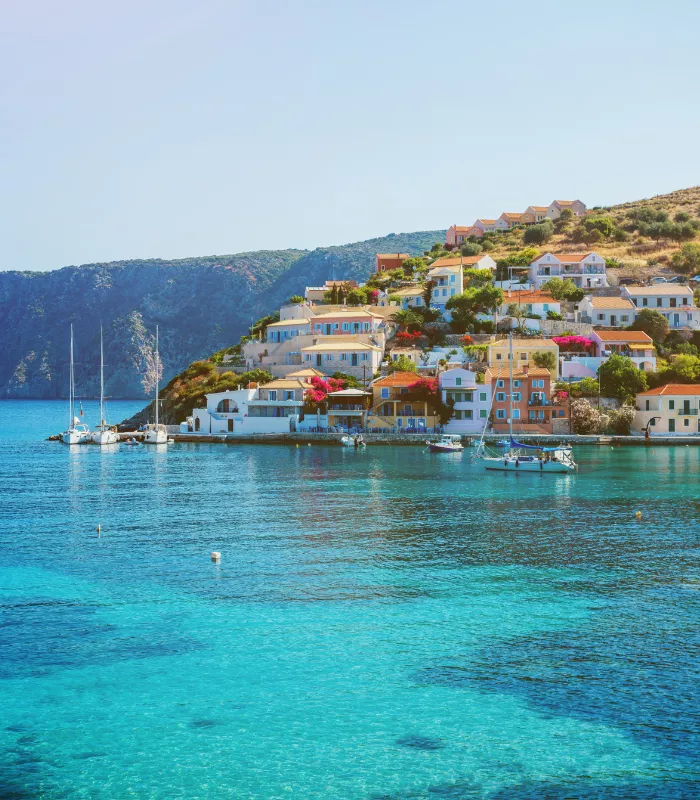
Lefkada has some of the most beautiful beaches in Greece. Porto Katsiki and Egremni are truly spectacular.
The problem is that everyone knows this now.
The island is connected to the mainland by a causeway, which makes it easy to drive to.
That means thousands of cars pour in during the summer.
The famous West Coast beaches require long waits and steep cliff paths.
The views are worth it, but the crowds can ruin the mood.
The main town of Lefkada is pleasant but heavily commercialized along its waterfront.
Nidri, a popular resort village, is known more for its party boats and noisy bars than its scenery.
The road to Porto Katsiki becomes a single-lane traffic jam on summer weekends, with waits of over an hour.
The island’s interior villages and traditional festivals go almost completely unnoticed while tourists pile onto the same two beaches.
Why It’s On This List: Easy access has turned Lefkada into one of the most congested islands in Greece during July and August, especially along the beach roads.
11. Crete
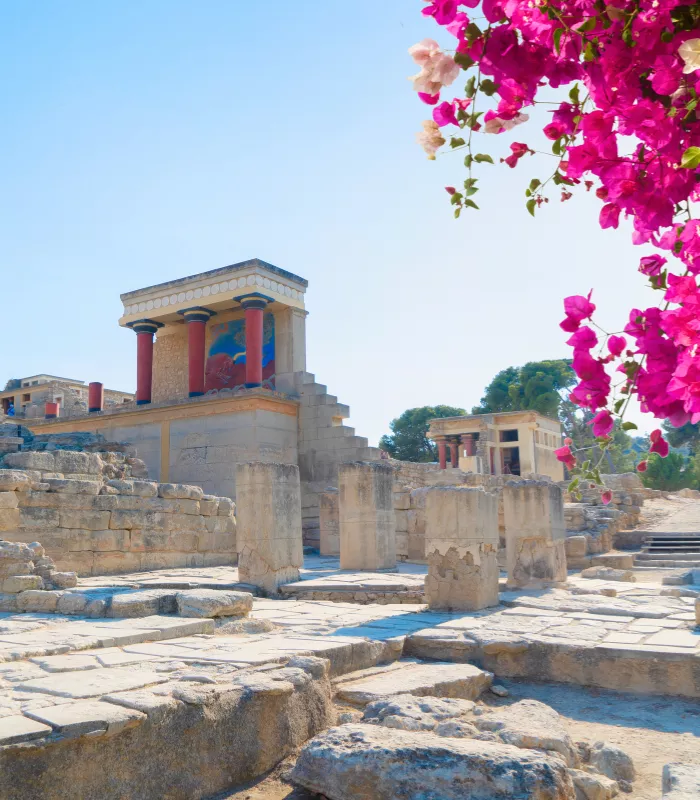
Crete is the largest Greek island. It has incredible history, food, and scenery.
You’re better off visiting the lesser-known interior villages than sticking to the north coast resorts.
Areas like Heraklion and Malia are packed with resort hotels and all-inclusive tourists.
The north coast highway is congested all summer.
Crete is not overrated as a whole, but the way most tourists experience it definitely is.
The real Crete is in the mountains and small fishing villages, far from the busy resort strips.
Malia in particular has become synonymous with cheap package holidays and rowdy nightlife, a far cry from Crete’s rich Minoan heritage.
The Palace of Knossos is a genuinely fascinating site, but tour groups make it feel more like a theme park than an archaeological treasure.
Elafonisi Beach is breathtaking, but it now attracts over a million visitors a year, straining both the environment and the experience.
The Cretan diet and local wine culture are world-class, but you need to venture well off the tourist trail to truly enjoy them.
Why It’s On This List: Most visitors only see the heavily commercialized northern coast, missing the island’s true beauty and culture entirely.